The best marketing for electricians is local SEO, with a complete Google Business Profile and genuine reviews, paired with Local Services Ads or Google Ads to bring in work now. Electrician SEO Pro’s view is that this two-sided mix covers both immediate and future leads, as long as the website makes it easy to call. Word of mouth still brings jobs, but it isn’t a system that tells an electrician where next month’s work is coming from.
Digital marketing for electricians is the backbone of getting more leads into your business. If you think word of mouth alone will carry you in 2026, you’re leaving money on the table for your competitors, the ones already showing up first when someone nearby needs an electrician.
I get it though: what should you actually focus on? Every pound you spend on electrician marketing needs to bring something back. A pound in, two pounds out, at the very least. So this is the no-fluff version of what works now, what’s changed for 2026, and where to put your time and money. Let’s get into it.
What is digital marketing for electricians?
Digital marketing for electricians is using online channels to bring in steady, high-quality leads every single month: Google search, your website, Google Maps, ads, email and social. Forget the old drawer of business cards. When someone needs an emergency electrician at 10pm, they grab their phone, search “emergency electrician near me”, and call whoever looks most trustworthy first.
With your channels set up properly, that’s you. In short, digital marketing is your ticket to getting seen, trusted and booked.
Why it matters more than ever in 2026
The days of relying only on word of mouth or a fridge magnet are gone. Those still bring work, but they’re not a system. They won’t let you go to bed without wondering where next month’s jobs are coming from. That feast-or-famine cycle is exactly what good marketing kills off. Here’s why it matters in 2026:
- Your customers live online. People search Google, read your reviews and compare websites before they ever call. Even when a mate recommends you, they’ll Google you to check you out. Either way, your online presence decides it.
- It delivers higher-quality leads. The right setup lets you focus on the jobs you want, whether you’re a domestic electrician chasing rewires and EICRs or a commercial electrical contractor after EV charger installs and fit-outs, and dodge the tyre-kickers hunting the cheapest quote.
- It builds long-term trust. A solid website plus a wall of genuine Google Reviews makes people want to hire you before you’ve even answered the phone.
- It gives you control. Need more local domestic work? Target it. Want commercial fit-outs? Target it. Expanding to a new town? Target it.
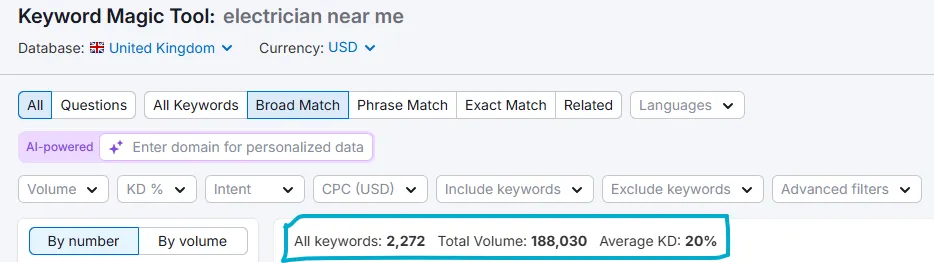
- It keeps you ahead. If you’re not doing it, your competitors are, and they’re taking the best jobs. Google “electrician near me” right now and look at who’s winning. With the tactics below, that’s you.
The one genuinely new thing for 2026: people don’t just scroll a list of blue links any more. Google answers the question itself with an AI summary, and a growing chunk of people ask an AI assistant before they ever hit a search engine. More on that shortly, because it changes how you get found.
The digital marketing strategies that actually move the needle
This is where most electricians get overwhelmed. So I’ll cut it to the core strategies that genuinely produce booked jobs, the ones I’ve proven over and over for Electrician SEO Pro clients. No flavour-of-the-month nonsense.
1. Electrician SEO (local SEO), the number-one play
When someone searches for an electrician, they want local, trusted and available now. That’s where local SEO becomes your most valuable tool: it puts you in front of nearby customers at the exact moment they’re searching. To win it, cover these:
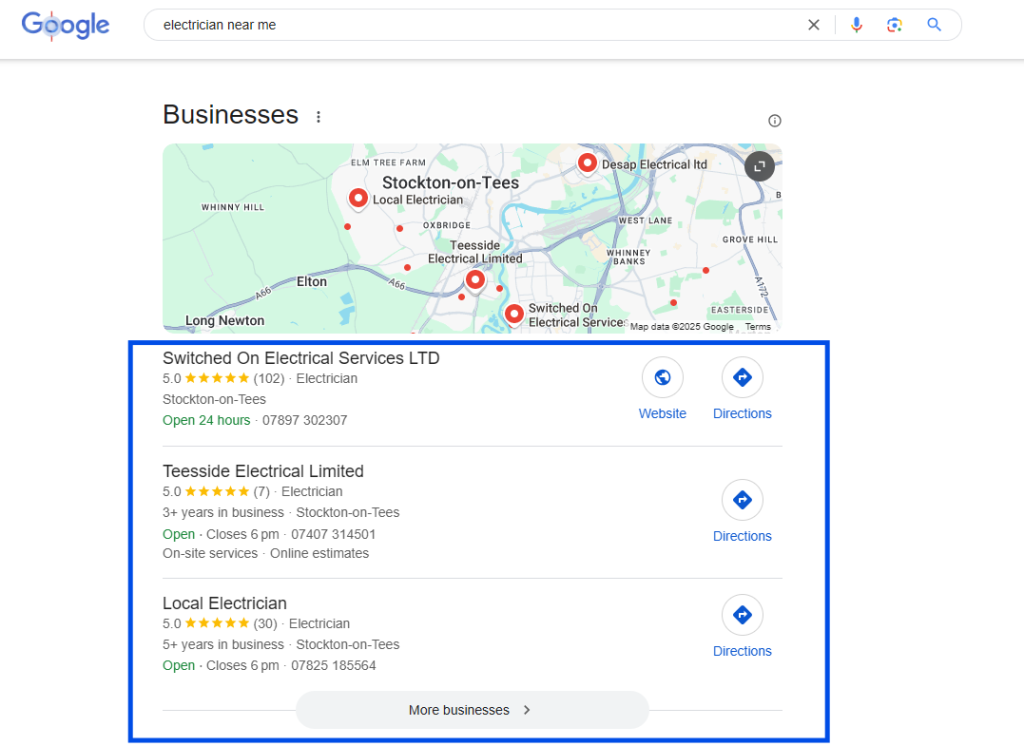
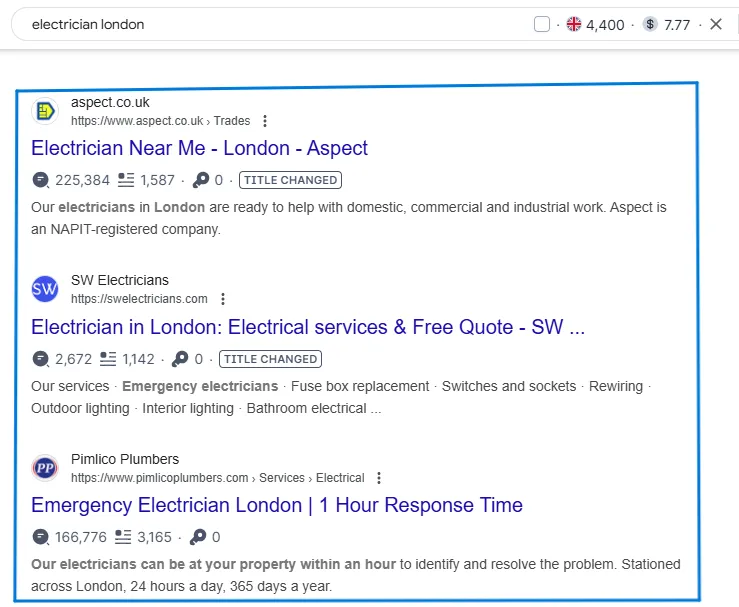
Google Business Profile. Your Google Business Profile (still often called Google My Business) is the box that powers the Google Maps map pack, the three listings that grab the lion’s share of local clicks. Claim and verify it, use a real address (not your home if you can help it), add accurate categories, upload real photos of your work and vans, write a keyword-rich services list, and post regular updates. The more complete and active it is, the higher you rank, and the more it converts.
Service pages and location pages. These are the pages that rank for “emergency electrician in your town” or “EV charger installation in your town”. Build a dedicated page per core service (emergency call-outs, EICR testing, consumer unit upgrade, rewire, EV charger installation, commercial electrical contractor work) and per area you cover. Sharp on-page SEO ties it together: proper keyword research to find what people actually type, content matched to the search intent, clean titles and headings, and internal links. Get this right and you own more of the SERP, not just the map pack.
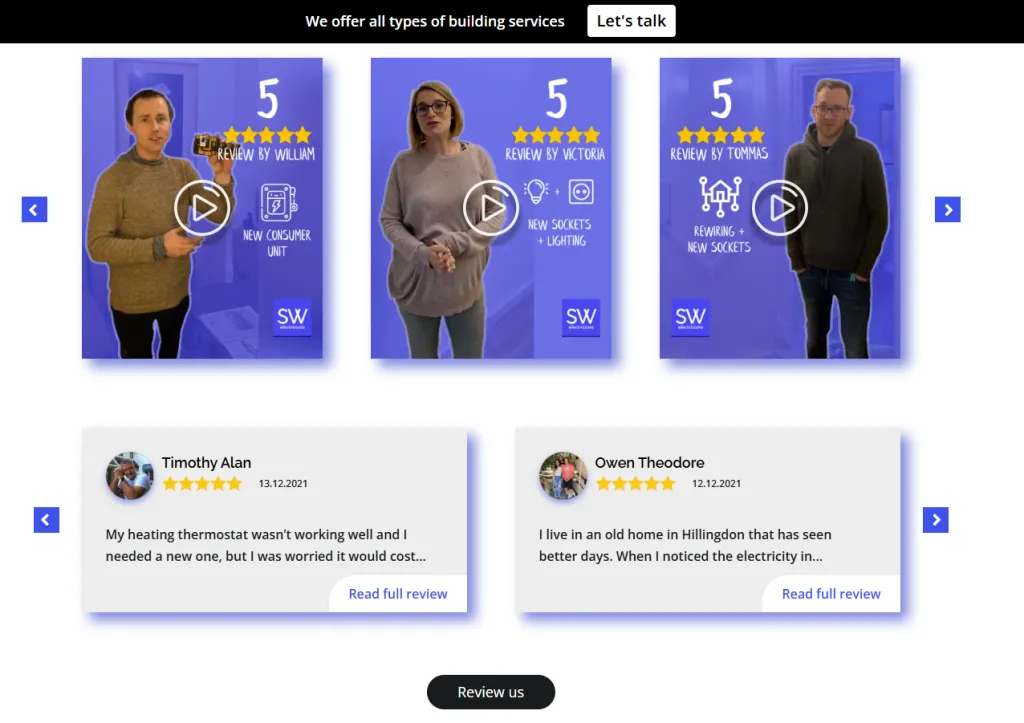
Reviews and reputation management. Reviews are one of the strongest local ranking factors, and the deciding factor for the human choosing between you and the next firm. Make review generation a habit: ask every happy customer for a Google review the moment the job’s signed off, with a direct link. Reply to every one, good or bad (your review replies show Google you’re active and reassure the next customer). Facebook Reviews help too. This is reputation management, and it’s free leverage.
Local backlinks and citations. Local backlinks (a supplier recommending you, sponsoring the local football team, a community news mention) are votes of confidence Google trusts far more than a random national link. And citations, your name, address and phone listed on directories like Yell and FreeIndex, reinforce your legitimacy. Keep your NAP consistency tight: even “Street” vs “St.” mismatches weaken your local SEO.
Technical SEO and schema. Underneath it all, your site has to load fast and work on a phone. Strong page speed, good Core Web Vitals and a mobile-first design keep the stressed homeowner from bouncing to the next electrician. Add schema markup so Google reads you cleanly: LocalBusiness schema for your details, and Service schema on service pages. This is technical SEO, and it’s the foundation everything else sits on. Want the full breakdown? See my local SEO for electricians guide.
2. Getting found in AI search (the big 2026 shift)
This is the change you can’t ignore. Google now answers a huge share of searches with an AI Overview at the top of the page, an AI-written summary pulling from a handful of sources it trusts. On top of that, more people are asking an AI assistant (ChatGPT, Google’s Gemini-powered AI, or another LLM) to “find me a good electrician near me” before they touch a normal search.
The good news for the trades: local, action-led searches are fairly resilient, the drop in clicks for local service businesses is far smaller than for pure-information sites, because someone with a tripped fuse box wants to call, not read an essay. But you still have to be the source the AI quotes. You can’t buy your way in. What gets you cited is the same good fundamentals, done well:
- A complete Google Business Profile with every service filled in, because that data feeds straight into AI answers for local queries.
- Clear, well-structured pages with LocalBusiness schema markup so the machine can parse you.
- Genuinely useful content clustered around your services, plus strong reviews and brand mentions that build your authority across the web.
In plain terms: the same work that wins local SEO is what gets you pulled into the AI answer. Do the fundamentals properly and you show up in both. Just track citations and visibility, not only raw traffic, because the way people reach you is shifting.
3. Google Local Services Ads (LSA): leads today
If you want leads now, Local Services Ads are the shortcut. Unlike regular Google Ads, you’re only charged when a real person calls or messages, and you get the Google Verified badge (it replaced the old green Google Guaranteed badge in late 2025) that sits right at the very top. Run LSA alongside your local SEO and Google Business Profile and you can own the whole search page: the badge at the top, the map pack in the middle, the organic result below.
It’s not set-and-forget though. Keep your profile sharp, your reviews strong, and respond to leads fast, because Google favours the best performers and drops slow or sloppy ones.
4. Google Ads (PPC): precision and speed
If you want fast leads and you’ve got budget to test, Google Ads (PPC) gives you laser control. With search campaigns you choose the keywords (“commercial electrical contractor”, “consumer unit upgrade in your town”, “EV charger installation in your town”), write the ad copy, and set your bid strategy. Google’s Performance Max campaigns can extend reach across Search, Maps, YouTube and more from one campaign, useful once your tracking is solid, but keep a close eye on where the leads actually come from.
PPC is only as good as the person managing it. Watch your Quality Score (it lowers your costs), prune wasted spend with negative keywords, and judge it on the numbers that matter: CPC (cost per click), CPM, CPA (cost per acquisition) and ultimately your cost per lead and CTR. Match emergency keywords to emergency ad copy and emergency landing pages, or you’ll pay for clicks that never book.
One honest warning: don’t run Google Ads if you can’t comfortably afford to test. It takes time and budget to find the keywords and audiences that bring paying jobs. If you’ll be nervously watching spend every hour, start with local SEO and your Google Business Profile instead, and come back to ads when there’s room to breathe.
5. Paid social: Facebook and Instagram
Most social media is a time sink for electricians. You won’t win contracts dancing on Reels. But paid social has a real role: Facebook Ads and Instagram Ads through Meta Ads Manager let you put offers in front of local homeowners before they’re even searching, and retargeting keeps you in front of people who visited your site but didn’t call on day one. Organically, a tidy Facebook page (accurate NAP, before-and-after photos, the odd local-group post) builds trust. Keep it simple and consistent, and if you’re stuck for what to post, here are my social media post ideas for electricians.
6. Content marketing
Content marketing just means creating useful stuff that answers your customers’ questions and builds trust: posts like “why your circuit breaker keeps tripping”, guides like “how to prepare your home for an EV charger install”, or FAQs answering what people ask before they book. Helpful content ranks for more searches, builds topical authority, and (as above) is exactly what AI Overviews pull from. One genuinely useful page keeps pulling leads for years.

7. Email marketing and your CRM
Email is one of the cheapest ways to stay in front of people who already know you, past customers and enquiries. Collect addresses naturally, send useful seasonal tips and the odd offer (not spam), and promote referral deals. A simple CRM keeps your pipeline organised so no enquiry slips through the cracks and follow-ups actually happen. It’s low-cost repeat business and referrals most electricians leave on the table.
8. Conversion rate optimisation (turn clicks into calls)
You can rank brilliantly and still go broke if your site doesn’t convert. Conversion rate optimisation (CRO) is the small, smart changes that turn more of your existing traffic into booked jobs. Strong landing pages and clean website design do the heavy lifting:
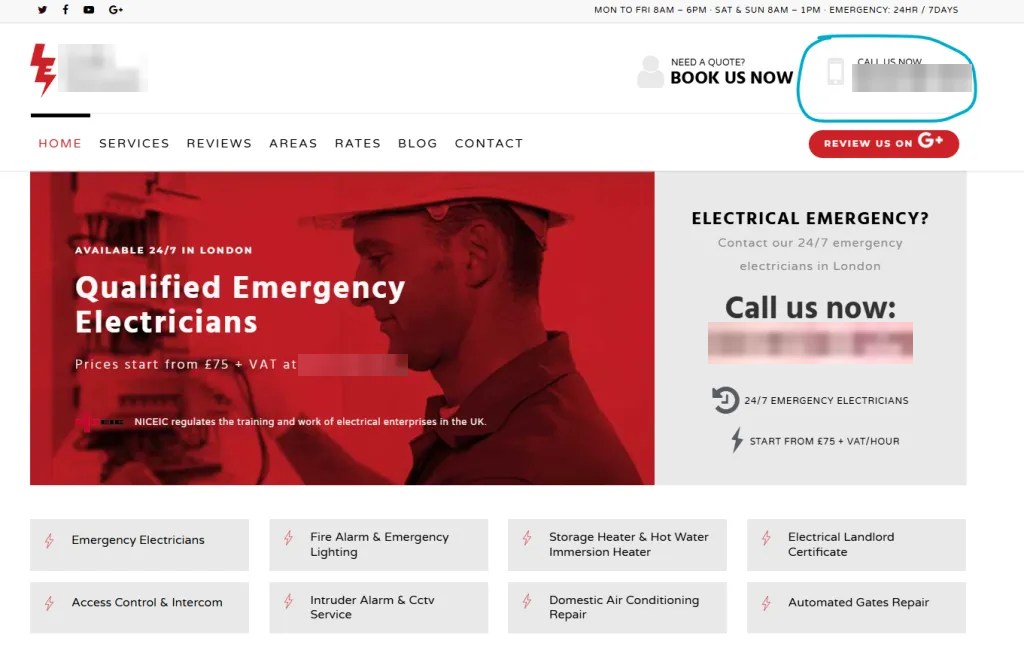
- A tap-to-call number on mobile, where most local searchers are. No copy-pasting into the dialler.
- Big, obvious “Call now” / “Get a quote” buttons, not tiny links buried in text.
- Your phone number visible at all times, pinned in the header or a sticky mobile bar.
- Reviews scattered across the site, not hidden on one testimonials page.
- Certificates on display (NICEIC, Part P), they prove you’re qualified and safe.
- A fast site, under two seconds, or people bounce back to a competitor.
Then test, don’t guess. A/B testing a headline, a button or a form layout often lifts your conversion rate more than any extra ad spend.
What marketing mistakes should electricians avoid?
The marketing mistakes electricians should avoid are relying on word of mouth alone, spending on ads without knowing which leads become booked jobs, chasing lead volume instead of lead quality, and sending visitors to a website that makes calling hard. Electrician SEO Pro’s rule is that every channel gets judged on booked jobs and what each one cost, not on clicks.
Here’s my plain-English version of each:
- Word of mouth only. It brings work, but it isn’t a system. You’ll still go to bed wondering where next month’s jobs are coming from, which is the feast-or-famine cycle.
- No measuring. If you can’t see where your leads come from, you’re guessing. Track calls and forms, not just clicks.
- Volume over quality. More leads isn’t the goal, more booked jobs is. A pile of tyre-kickers hunting the cheapest quote won’t pay the van insurance.
- A site that doesn’t convert. You can rank brilliantly and still go broke if calling you takes effort. Tap-to-call and a visible phone number help a lot.
- Ads you can’t afford to test. It takes time and budget to find what brings paying jobs. If you’d be watching the spend nervously every hour, start with local SEO and your Google Business Profile instead.
That leaves measuring, so here’s how to do it without drowning in numbers.
Don’t forget to measure your marketing (and stay compliant)
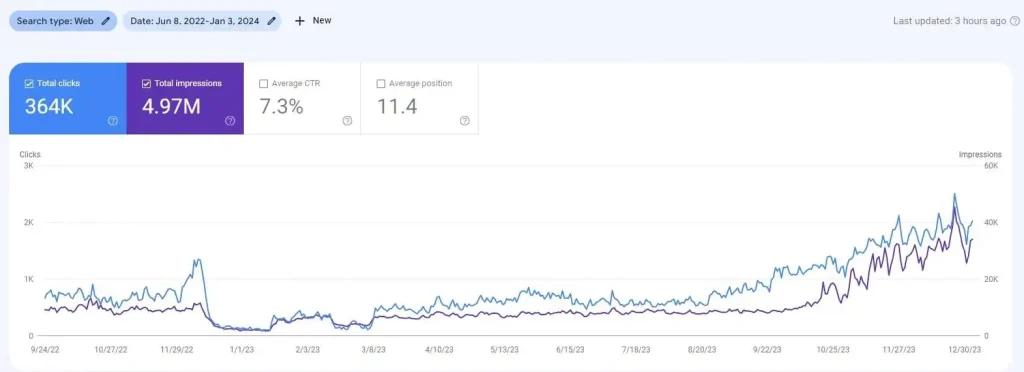
If you’re not measuring what works, you’re throwing money into the wind. You need to know where your leads come from, which channels produce paying customers (not just clicks), and what each lead and job is costing you. Set up Google Analytics 4 to track form submissions and phone-click events, usually deployed through Google Tag Manager so you can manage events without touching code. Use call tracking with dynamic number insertion to attribute phone calls to the right channel without breaking your NAP consistency. Together with proper lead tracking, conversion tracking and attribution, you get a clear reporting dashboard built around the one KPI that really matters, booked jobs, alongside leads and cost per lead.
The 2026 compliance bit you can’t skip: if you run Google Ads or GA4 and reach UK or EU users, Google Consent Mode v2 is mandatory (it has been since 2024, with a further tightening in June 2026). In plain English: you need a proper cookie consent banner, consent set to denied by default, and the right consent signals passed to Google, or your tracking and remarketing data dries up and you risk falling foul of GDPR. It’s not optional any more, so get the consent setup right when you build the tracking, not as an afterthought.
How can electricians get more leads without relying on lead services?
Electricians can get more leads without relying on lead services such as Checkatrade or MyBuilder by showing up where customers already look: a verified Google Business Profile, service pages for each job and area, genuine Google reviews and a website that makes calling easy. Those channels bring leads an electrician owns rather than shares. Electrician SEO Pro’s view is that no electrician should depend on lead services alone, and that diversifying lead sources is how a diary stays full.
Here’s what I’d build instead, so the leads are yours:
- A Google Business Profile with real reviews. The map pack’s three listings grab the lion’s share of local clicks, and every happy customer is a chance for a Google review.
- Service and location pages. One page per core service and area, so you rank for “emergency electrician” plus your town or “EV charger installation” plus your city.
- A website that converts. A tap-to-call number, your phone number always visible, reviews and your NICEIC or Part P certificates on show.
- Referrals and email. Cheap repeat business that most electricians leave on the table.
It isn’t overnight. SEO typically takes 3 to 6 months for consistent results (sometimes 6 to 12 in competitive cities), so pair it with something that brings work in now, like Local Services Ads, so you’re not waiting months for the first call. I’ve covered the alternatives in more detail in my guides to Checkatrade alternatives for electricians and MyBuilder alternatives for electricians.
More leads is only half the story, though. Quality matters more.
Lead quality beats lead volume
More leads isn’t the goal, more booked jobs is. Build lead qualification into the system: target the right services, areas and job values, show your pricing approach so poor-fit enquiries filter themselves out, and judge every channel on ROI, what it returns versus what it costs, not on vanity clicks.
Where should electricians advertise online?
Electricians should advertise online on Google first, using Local Services Ads and Google search ads, because those reach people who are searching for an electrician right now. Facebook and Instagram ads come second, as a way to put offers in front of local homeowners before they start searching. Electrician SEO Pro’s view is that paid ads should run alongside local SEO and a Google Business Profile, not replace them, and only once the budget allows testing.
Here’s how I’d think about each one:
- Local Services Ads: you’re only charged when a real person calls or messages. Keep your reviews strong and answer leads fast, because Google favours the best performers and drops slow or sloppy ones.
- Google search ads: laser control over keywords and budget, but only worth it if you can comfortably afford to test. If you’d be nervously watching the spend every hour, start with local SEO and your Google Business Profile instead.
- Facebook and Instagram ads: they warm up local homeowners and retarget people who visited your site but didn’t call.
For Google Ads or LSAs, most electricians put £300 to £1,000+ a month into ads. If the budget’s tight, I’ve listed where to advertise for free as an electrician. When you’re ready to go deeper, my Google Ads guide for electricians and Facebook ads guide for electricians cover setup, costs and mistakes.
So which should come first? That depends where you’re starting from.
So which strategy is best for you?
Here’s exactly what I’d do starting today: go long-term with electrician SEO, because it compounds into free, consistent leads. But pair it with something that brings work in now, usually Local Services Ads or Google Ads, so you’re not waiting months for the first call. That two-sided play covers immediate and future wins, and breaks the feast-or-famine cycle for good. Wrap both in solid conversion fundamentals so you’re squeezing every lead out of the traffic you’ve got.
How long until I see results?
It depends on the strategy. SEO typically takes 3 to 6 months for consistent results (sometimes 6 to 12 in competitive cities), though quick technical and local fixes can move rankings in as little as 60 to 90 days. Paid channels like Google Ads and LSA bring leads almost immediately, but you pay for every one. That’s why a blend of both is usually the smartest approach.
When should I outsource, and what does it cost?
Outsource when you’ve hit the limit of what you can do alone, when you’re too busy on the tools, stuck at a plateau, or you just want expert results without months of trial and error. A focused local SEO campaign with Electrician SEO Pro is £750 a month flat, on a simple monthly retainer with no long-term contract. Google Ads or LSA spend sits on top, most electricians put £300 to £1,000+ a month into ads.
How to choose an electrician marketing agency
Pick a specialist, not a generalist. Someone who only does electrical or home-services marketing understands that emergency call-outs, EICRs, planned rewires and commercial maintenance all behave differently. Ask to see real case studies, client results and reviews, not vague promises. Make sure they do proper competitor analysis, report in plain English on leads and cost per lead, and offer transparent pricing with clear deliverables. And grab a free consultation first, a good one will tell you straight whether it’s even worth your money.
FAQs
How much does marketing for an electrician cost?
It depends whether you need SEO, Google Ads, paid social or a combined package. Most electricians start with a focused plan tied to lead targets and budget. Electrician SEO Pro’s local SEO is £750 a month flat, with any ad spend on top.
How long does SEO take to work?
A realistic average is 3 to 6 months for noticeable movement, 6 to 12 in competitive markets. Quick technical and local fixes can show in 60 to 90 days.
Do I need Google Ads as well as SEO?
Often, yes. SEO builds long-term visibility while Google Ads (and LSA) give immediate access to high-intent searches like emergency electrician queries.
Does AI search mean SEO is dead for electricians?
No. It means the fundamentals matter more, not less. A complete Google Business Profile, strong reviews, clear content and clean schema are what get you cited in AI Overviews and shown in Maps. Local, ready-to-book searches still convert.
Is my data and tracking GDPR-compliant?
It needs to be. With Consent Mode v2 now mandatory for UK and EU users, you need a cookie consent banner and consent signals passed to Google, or your ad and analytics data suffers. Get it set up properly when the tracking goes in.
Grow your business with an electrician marketing specialist
That’s the full 2026 picture of digital marketing for electricians, enough to get more leads and stop relying on word of mouth. But if you’d rather be on the tools than buried in Google Business Profile settings and consent banners, that’s exactly what I do. At Electrician SEO Pro, electrician marketing is all I do, and it’s backed by my 90-day lead guarantee. Ready to stop spinning your wheels and start dominating your local market? Let’s talk.